Cute Baby Dino Embroidery Design Review
As a designer who has spent years navigating the intersection of digital art and physical stitching, I approach every new machine embroidery design with a critical eye. It is not enough for a file to look good on a screen; it must translate seamlessly into thread, stabilizer, and fabric. Recently, I evaluated the Cute Baby Dino Embroidery design, a piece marketed as a "Little Dino Monster Pattern" within the popular Baby Animals category. My goal was to determine if this Kawaii T-Rex Machine Embroidery file holds up under the pressure of real-world production or if it falls apart when moved from a preview window to an actual hoop.
First Impressions: Mood and Visual Personality
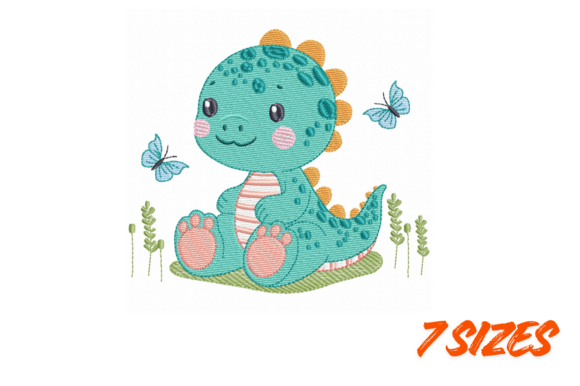
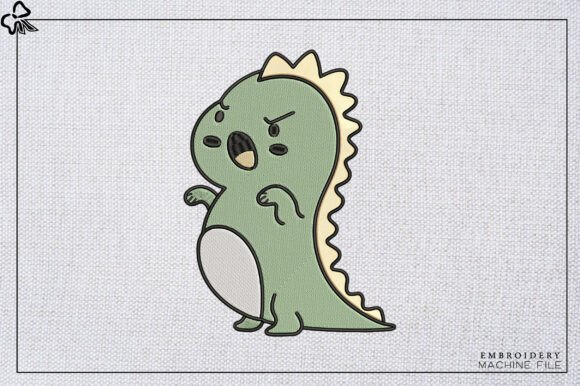
The first thing that strikes you about Cute Baby Dino Embroidery is its inherent charm. The silhouette is rounded and soft, avoiding sharp angles that can sometimes cause puckering or tension issues in Embroidery. The "Kawaii" aesthetic is executed well, relying on large eyes and a simplified body shape that suggests friendliness rather than ferocity. For a handmade product line targeting parents or nursery decor enthusiasts, this visual personality is exactly what drives sales. It feels approachable and whimsical, instantly signaling that this is a safe, cute motif suitable for delicate items like onesies or plush toys.
However, the true test lies in the details. When zooming in on the embroidery file, I noticed the balance between satin stitch and fill stitch. The outline appears to use a clean satin stitch, which provides a glossy, professional finish, while the body utilizes a fill stitch that looks sufficiently dense without being overly heavy. This balance is crucial because excessive density can distort lightweight fabrics, turning a cute dino into a stiff, lumpy patch. The design seems optimized for clarity, ensuring that even smaller features remain distinct after stitching.
Real-World Application: From Hoop to Product
To truly understand the utility of Cute Baby Dino Embroidery, I imagined integrating it into a specific project: a custom embroidered tote bag for a local boutique. In this scenario, the design would serve as the focal point on a canvas tote, likely paired with a simple font saying "Roar." The rounded shape of the dino fits perfectly within a standard 5x7 inch hoop, making it efficient for small batch production. The contrast of the thread colors against a natural beige canvas would make the "Little Dino Monster" pop, creating a high-value item that customers would be eager to purchase.
This design also translates exceptionally well to custom apparel. Imagine placing it on the left chest of a sweatshirt or the back of a baby's romper. Because the design is self-contained and does not rely on complex background elements, it works beautifully as a standalone statement. For an Etsy seller looking to expand their catalog of baby embroidery items, this file offers versatility. It could be used on hats, aprons, pillow covers, or even tea towels for a kitchen-themed gift set. The simplicity allows it to adapt to various fabric textures without losing its definition.
Furthermore, consider the potential for holiday embroidery. With minor adjustments to thread color—perhaps swapping greens for reds or blues—the same design asset could work for seasonal gifts. The ability to repurpose a single digital embroidery file across multiple seasons increases the ROI for any craft business owner. Whether it is a personalized gift for a baby shower or merchandise for a small shop, the design maintains its appeal.
Navigating Challenges: Where Caution is Needed
Despite its strengths, Cute Baby Dino Embroidery requires careful handling in certain scenarios. If you are working with very thin or stretchy fabrics, such as jersey knit for t-shirts, the density of the fill stitch might cause puckering if the wrong stabilizer is used. I always recommend testing the design on scrap fabric first to ensure the tension settings are correct. Without adequate stabilization, the edges of the dino could warp, ruining the "cute" factor.
Another consideration is the hoop size. While the design fits comfortably in medium hoops, attempting to shrink it down too much for a cap or a tiny patch could compromise the details. The eyes and mouth need enough space to render clearly; otherwise, they may blur into a solid blob of thread. Similarly, using this design on dark fabrics requires attention to the backing. A light-colored design on black fabric needs a strong underlay to prevent the dark threads from showing through the gaps in the fill stitch.
For those planning to create an embroidered patch, the design is promising, but the thickness of the final product must be considered. If the stitch count is high, the patch might feel bulky. It is essential to review the stitch density and potentially reduce it slightly if a flatter finish is desired for wearable patches. Additionally, if you are layering this design over other garments, ensure the placement does not interfere with seams or zippers, which can disrupt the machine's movement.
Professional Notes for Designers and Sellers
Before committing to a full production run, there are several practical steps every professional should take. First, always test the design on a variety of fabrics to see how the thread colors interact with different backgrounds. A color that looks vibrant on white cotton might appear dull on heather gray. Second, check the licensing terms. As a commercial embroidery asset, you must confirm whether you are allowed to sell finished products containing the design or if you need a specific commercial license. Many digital product sellers overlook this, leading to legal complications later.
I also suggest creating printable mockups to visualize the design on your intended products before spending thread and time. Compare the design in both light and dark fabric contexts to ensure versatility. If you are offering this as a personalized gift, verify that the design scales well with added text. Sometimes, adding a name next to a graphic changes the balance of the composition, requiring adjustments to spacing and alignment.
Finally, remember that the quality of your finished product reflects your brand. Using a well-crafted design like Cute Baby Dino Embroidery enhances customer trust and perceived value. It shows attention to detail and a commitment to quality. Whether you are a hobbyist making gifts for friends or a small shop product creator building a brand, selecting designs that perform reliably is key to long-term success.
Final Verdict
In conclusion, Cute Baby Dino Embroidery is a robust and charming addition to any designer's library. Its balanced stitch structure, appealing aesthetic, and versatility make it a strong candidate for custom apparel, home decor, and giftable items. By following best practices regarding stabilizers, hoop sizes, and fabric selection, you can maximize its potential and create beautiful, professional-looking pieces. For anyone looking to add a touch of prehistoric cuteness to their portfolio, this machine embroidery design delivers on its promise.