Embroidery Daisy Flowers Design Review
As a designer who has spent years navigating the gap between digital files and physical stitched goods, I approach every new machine embroidery design with a critical eye. It is not enough for a pattern to look good on a screen; it must translate flawlessly onto fabric under the pressure of a needle and thread. Recently, I evaluated the Embroidery Daisy Flowers Design, a pattern categorized under Single Flowers, to see if it holds up in real-world applications for small business owners, Etsy sellers, and serious hobbyists.
First Impressions: The Mood of Wildflowers
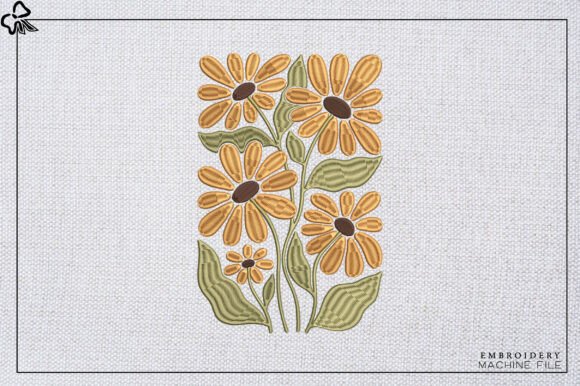
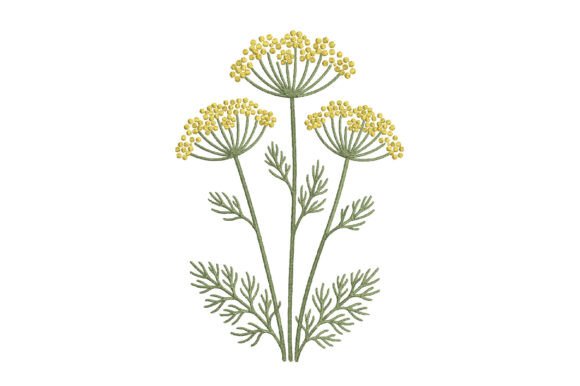
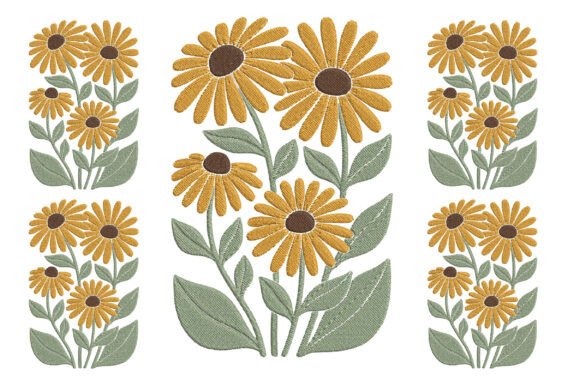
The moment I opened the preview for the Embroidery Daisy Flowers Design, the intent was clear. This is not a hyper-realistic botanical illustration, nor is it an abstract modern shape. Instead, it captures that specific, nostalgic charm of wildflowers found in meadows. The description promises a fresh and cheerful vibe, and visually, the layout delivers exactly that. The blooms are rendered with clean lines and delicate detailing that suggest simplicity without sacrificing character.
For a creative entrepreneur looking to expand their catalog, this type of embroidery file is often the "bread and butter" of a shop. It fits seamlessly into collections focused on spring decor, baby showers, or general lifestyle branding. The visual personality is approachable and universally liked, which is crucial when you are selling to a broad audience. Unlike complex floral arrangements that can overwhelm a garment, this single flower motif offers a focal point that breathes.
Real-World Application: From Screen to Sweatshirt
To truly test the utility of the Embroidery Daisy Flowers Design, I imagined a specific scenario: preparing a line of custom embroidered tote bags and heavyweight sweatshirts for an upcoming craft fair. In these contexts, the design needs to pop against textured cotton and fleece while maintaining its structural integrity after repeated washes.
When visualizing this design on a canvas tote bag, the clean edges of the daisy petals work beautifully. They do not rely on tiny, intricate details that might get lost in the weave of the fabric. Instead, the pattern seems to utilize a balanced mix of satin stitch for definition and fill stitch for volume. This combination is vital for durability. If you are a Etsy seller creating personalized gifts, you know that customers expect their items to last. A design that relies too heavily on fine running stitches might fray over time, but the robust nature of this daisy suggests it will hold up well as a finished product.
I also considered how this would perform on a sweatshirt. Hoodies and crewnecks are popular for custom apparel, but they present challenges due to the thickness of the material and the tendency of fleece to pill. The Embroidery Daisy Flowers Design appears to have a moderate density, which is ideal. High-density designs can cause puckering on heavy fabrics, while low-density ones might look sparse. This pattern strikes a balance that should allow the needle to penetrate the layers without distorting the fabric, provided the correct stabilizer is used.
Strategic Placement and Product Value
One of the strengths of a Single Flowers category item is its versatility in placement. You can place this daisy on the chest of a t-shirt, the corner of a pillow cover, or even as a decorative accent on an apron pocket. For boutique owners, this flexibility increases the perceived value of the handmade product. A customer is more likely to purchase a tote bag with a well-placed, high-quality floral emblem than one with a generic, stretched-out logo.
In terms of brand consistency, using a cohesive design like this across multiple product types—such as matching kitchen towels and nursery blankets—helps build recognition. The cheerful aesthetic of the daisy naturally aligns with holiday gifts, wedding favors, and seasonal merchandise. It signals warmth and care, qualities that buyers actively seek in personalized gift items.
Navigating Challenges: Where Caution Is Needed
Despite its appeal, no digital embroidery file is a magic bullet. There are specific scenarios where the Embroidery Daisy Flowers Design requires careful handling to avoid disappointment.
Fabric Texture and Thickness: While the design works well on medium-weight fabrics, using it on very thin or highly stretchy materials like jersey knit requires extra attention. Without proper hooping and backing, the tension from the stitching could distort the delicate petals. Similarly, on dark fabrics, the contrast of the thread colors becomes paramount. If the design uses light yellows or whites for the center, ensure the background fabric allows for sufficient coverage to prevent the base color from showing through.
Hoop Size Constraints: Before committing to a project, always verify the recommended hoop size. If you attempt to fit this daisy into a hoop that is too small, you risk compressing the design, which ruins the proportions and creates dense stitch areas that may jam your machine. Conversely, stretching it too large in a massive hoop can lead to gaps in the fill stitch, making the flower look unfinished.
Detailed Corners and Curved Surfaces: If you plan to use this design on a cap or a curved patch, be mindful of the petal tips. Sharp angles can sometimes lift off the surface on rounded objects. Testing the design on a scrap piece of the actual fabric is non-negotiable. This step allows you to inspect small details and adjust tension settings before ruining a premium garment.
Practical Designer Notes for Success
For those ready to integrate the Embroidery Daisy Flowers Design into their workflow, here are my top recommendations based on professional experience:
- Test First: Always run a test on scrap fabric that matches the texture of your final product. Check for puckering and thread breakage.
- Color Contrast: Review the thread colors against your fabric choice. A mockup in black and white can help you visualize the contrast before purchasing expensive threads.
- Stabilizer Selection: Do not skip the stabilizer. For applique design elements or dense fills, a cut-away stabilizer often provides better longevity than tear-away, especially for items that will be washed frequently.
- Licensing Check: As a small shop product creator, confirm the licensing terms. Ensure you are permitted to sell finished items or digital previews. Never assume commercial rights unless explicitly stated.
- Mockup Presentation: Use printable mockups to show potential customers how the design looks on different backgrounds. This builds trust and helps buyers visualize the final result.
Final Verdict on Commercial Viability
The Embroidery Daisy Flowers Design is a solid asset for any portfolio focused on commercial embroidery or personal crafting. Its ability to evoke a sense of freshness makes it a perennial favorite for spring and summer collections. However, its success ultimately depends on the execution. By respecting the limitations of the fabric, choosing the right stabilizer, and verifying the technical requirements, you can transform this digital file into a high-quality, marketable embroidered patch or apparel decoration.
Whether you are a seasoned decorator or just starting your journey as a maker, this design offers a reliable foundation. It proves that sometimes, the most effective design assets are the ones that celebrate simplicity. With the right preparation, this daisy will bring a touch of nature's beauty to your projects, enhancing both the visual appeal and the professional reputation of your brand.