Floral Cow Embroidery Design Review
As I set up my booth for the upcoming weekend craft fair, I am surrounded by stacks of unfinished goods: crisp white tote bags, sturdy canvas aprons, and soft cotton tea towels waiting to be transformed. In this competitive landscape of handmade products, the difference between a sale and a pass-by often comes down to one critical element: the design. Today, I am reviewing the Floral Cow Embroidery Design, a file that promises to add a whimsical farmhouse touch to any collection. My goal is to determine if this specific machine embroidery design can stand out on a crowded table and translate into a profitable craft fair product.
First Impressions: A Whimsical Farmhouse Aesthetic
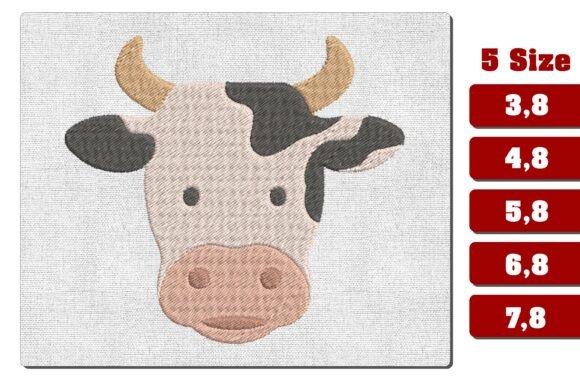
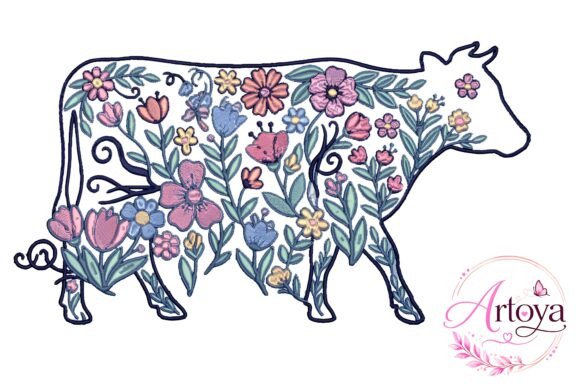
When I first loaded the digital file onto my screen, the visual impact was immediate. The Floral Cow Embroidery Design leans heavily into the cottagecore trend that continues to dominate the handmade market. It is not just a standard farm animal silhouette; it is a botanical cow pattern where flowers intertwine with the classic black-and-white spots. This fusion creates a look that feels both rustic and elegant. For an Etsy seller or boutique maker targeting customers who love vintage-inspired decor, this design hits the sweet spot. It avoids being too cartoonish while maintaining enough charm to grab attention from across the room.
The aesthetic is undeniably decorative yet approachable. It suggests a lifestyle that values nature, simplicity, and a touch of humor. When planning my booth display, I can already envision how this design will anchor a collection of kitchen linens and home goods. Unlike minimal designs that might get lost in a sea of plain fabrics, the intricate details of the botanical elements give the eye something to explore, encouraging potential buyers to stop and inspect the craftsmanship.
Evaluating Product Applications for Maximum Sales
The true test of any embroidery file is its versatility across different substrates. As I prepare to stitch samples, I am considering where the Floral Cow Embroidery Design will perform best as a finished product.
- Tote Bags: A large-scale application on a natural canvas tote bag is likely the strongest selling point. The design serves as a bold focal point, making the bag a statement piece for grocery runs or farmers markets. The contrast of the floral elements against the neutral fabric will photograph beautifully for online listings.
- Apron Embroidery: Placing this design on the bib of a heavy-duty cotton apron adds a professional yet playful touch. It transforms a utilitarian item into a giftable handmade product that appeals to home cooks and gardeners alike.
- Tea Towel Embroidery: Kitchen textiles are a staple at craft fairs. The whimsical nature of the botanical cow makes it perfect for tea towels, adding a splash of color and personality to a modern farmhouse kitchen.
- Embroidered Patches: For those looking for smaller applications, converting this into an embroidered patch allows for use on denim jackets, backpacks, or hats. However, care must be taken to ensure the floral details do not become muddy when scaled down.
- Pillow Covers: On a larger scale, such as a 18x18 inch pillow cover, the design becomes a piece of wall art or sofa decor, increasing the perceived value of the item significantly.
Production Practicalities and Stitch Quality
While the visual appeal is high, a professional designer knows that execution is everything. Before committing to batch production for a small shop product line, I must evaluate the technical aspects of this machine embroidery design.
One of the primary concerns with intricate botanical patterns is stitch density. If the floral areas are too dense, the design may pucker on lighter fabrics like tea towels or cause thread breakage during long runs. I plan to run a test on scrap fabric first to check for puckering and to ensure the thread colors pop without blending into a dark mass. Conversely, if the density is too low, the design may lack the premium feel required for a higher price point.
Another critical factor is the hoop size. The description implies a moderate-sized design, but I need to confirm the exact dimensions to ensure it fits within my most commonly used hoops. If the design requires a larger hoop than I typically have on hand, it could slow down my production time at the craft fair. Additionally, the choice of stabilizer is paramount. For textured towels or thick canvas totes, a cutaway stabilizer might be necessary to prevent the fabric from distorting under the tension of the stitches.
Design Clarity and Scaling
There is a fine line between detailed and cluttered. When viewing the Floral Cow Embroidery Design at full size, the separation between the cow's spots and the surrounding flowers is clear. However, if I were to shrink this for a cap or a small pouch, the tiny details of the petals might lose clarity. For a commercial embroidery business, consistency is key. I would advise against using this specific file for very small accents unless the software allows for significant simplification of the stitch paths. The design shines when allowed to breathe as a medium-to-large focal point.
Marketing and Booth Display Strategy
How does this design affect customer engagement? In a physical booth, lighting and texture play a huge role. The raised texture of the embroidery catches the light differently than a printed image, giving the product a tactile quality that draws people in. By displaying the Floral Cow Embroidery Design on a variety of items—from a simple patch to a plush pillow cover—I create a visual narrative that shows the versatility of the design assets.
For online sales, particularly for an Etsy seller, photography is vital. The organic shapes of the botanical cow work well in natural light settings. Creating a printable mockup that places the design on a rustic wooden table or amidst greenery can enhance the cottagecore vibe and increase click-through rates. The design's unique blend of farm animals and florals offers a distinct brand identity, helping a creative entrepreneur stand out in a saturated market.
Final Designer Checklist Before Production
Before I finalize my order list for the weekend market, here are the essential steps I am taking to ensure success with this embroidery file:
- Test Stitching: Run a sample on the exact fabric intended for sale to check for puckering and thread tension issues.
- Color Contrast: Verify that the thread colors chosen provide enough contrast against the base fabric, especially if using darker materials.
- Licensing Check: Confirm the commercial licensing terms of the digital embroidery file to ensure I am legally permitted to sell the finished products.
- Stabilizer Selection: Match the stabilizer weight to the fabric texture to maintain a clean finish.
- Mockup Creation: Produce at least one high-quality real-world mockup for social media and listing photos.
In conclusion, the Floral Cow Embroidery Design is a strong contender for a successful craft fair product line. Its ability to bridge the gap between rustic charm and modern whimsy makes it highly marketable. With careful attention to stitch density, fabric choice, and presentation, this design has the potential to become a bestseller for any handmade shop owner looking to expand their collection of unique, high-quality embroidered goods.