The Creation of Adam Machine Embroidery Review
As an embroidery designer who has spent years translating digital files into tangible fashion, I approach every new machine embroidery design with a critical eye. When I first opened the file for The Creation of Adam Machine Embroidery, I was preparing a limited drop for a small boutique brand that specializes in elevated basics. The goal was to transform simple sweatshirts into statement pieces without losing the cozy, wearable aesthetic our customers love. This review details my process of evaluating this specific embroidery file for a real-world apparel project.
First Impressions: Art Meets Apparel
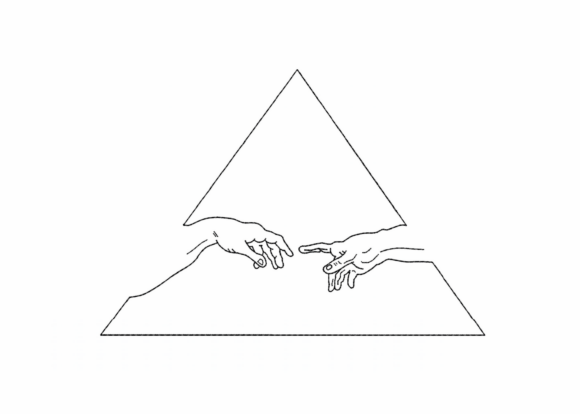
The initial mood of The Creation of Adam Machine Embroidery is undeniably artistic and grand. Unlike many trendy designs that rely on minimal lines or cute motifs, this piece carries a sense of historical weight and intricate detail. For a boutique brand looking to stand out in a saturated market, this design offers a unique narrative. It feels less like a casual graphic tee print and more like a wearable art piece. The layout suggests a complex interplay of figures and motion, which immediately signals high quality to anyone viewing the finished product.
However, the sheer detail level requires careful consideration. When I visualized this as a finished product, the challenge became balancing the artistic integrity of the original artwork with the technical limitations of fabric. Does it feel too heavy? Too busy? Or does it strike that perfect balance of bold and decorative? My assessment is that it leans towards bold and premium, making it ideal for a collection that wants to communicate creativity and sophistication.
Visualizing the Design on Sweatshirts and Hoodies
The versatility of The Creation of Adam Machine Embroidery depends heavily on the base garment. For our project, we tested the concept against several fabric types and colors. On neutral sweatshirts, such as heather grey or oatmeal, the design pops with a sophisticated contrast. The intricate lines of the figures become the focal point, drawing the eye immediately to the chest area.
When considering dark fabric, the potential for drama increases significantly. A charcoal or black hoodie would allow the lighter thread colors to shimmer, creating a striking visual effect that feels both edgy and timeless. Conversely, on pastel colors, the design takes on a softer, almost ethereal quality. This makes it suitable for seasonal apparel where a touch of whimsy meets classic art. Whether placed as a large back design or a subtle sleeve accent, the hoodie design adapts well to different placements, though the complexity suggests it shines best when given ample space.
Fabric Texture and Stitch Density Considerations
One of the most critical aspects of any sweatshirt embroidery project is managing stitch density. The Creation of Adam Machine Embroidery appears to have areas of high detail that could risk puckering on thick fleece if not adjusted correctly. As a designer, I always check the stitch density before committing to production. If the file is too dense, the fabric will stiffen, ruining the drape of the garment.
Fabric texture also plays a role. A smooth French terry will hold the fine details better than a loop-backed fleece. For this specific design, I would recommend using a mid-weight cotton blend to ensure the threads lay flat without sinking into the loops. The thread colors selected must complement the fabric's tone; using metallics or variegated threads could enhance the "divine" aspect of the artwork, adding depth to the custom apparel.
Technical Execution for Small Shops
For the Etsy seller or small shop owner, practical concerns are paramount. Before running a full batch, you must verify the hoop size. Given the likely scale of the figures in this design, a standard 4x4 hoop might be insufficient unless the design is split into multiple sections. If the file comes with multiple sizes, ensure the smallest version retains enough detail to be recognizable. Small-size readability is often where complex art fails in commercial applications.
Stabilizer choice is non-negotiable here. Because this is a detailed machine embroidery design on a knit fabric, a cut-away stabilizer is essential. It provides the necessary support to prevent distortion during stitching and maintains the shape of the design after washing. Without proper stabilization, the intricate fingers and flowing robes could lose their definition, resulting in a messy handmade product that looks unprofessional.
Washing durability is another factor. High-density areas can crack over time if the top layer isn't secured properly. Testing a sample wash cycle is crucial to ensure the commercial embroidery holds up. If the design feels too fragile for daily wear, it might be better suited for special occasion items rather than everyday basics.
Enhancing Brand Identity and Product Value
Incorporating The Creation of Adam Machine Embroidery into your lineup can significantly boost perceived value. Customers buying from a boutique brand expect uniqueness. This design moves beyond generic slogans, offering a conversation starter that elevates the brand identity. It signals that the creator values artistry and craftsmanship.
For lifestyle product photography, this design offers excellent opportunities. The intricate details look stunning in close-up shots, highlighting the quality of the stitching. In printable mockup previews, the design stands out against clean backgrounds, making it easy for shoppers to visualize the final look. This visual appeal directly impacts customer engagement and buyer trust, as it demonstrates attention to detail.
Furthermore, this digital embroidery file serves as a powerful asset for marketing. It allows for storytelling in your listings, connecting the history of the artwork with modern fashion trends. This narrative approach resonates deeply with creative entrepreneurs and crafters who appreciate the intersection of history and contemporary style.
Final Verdict for Commercial Use
The Creation of Adam Machine Embroidery is a splendid addition to any portfolio looking to make a bold statement. It appeals to the creative, artistic side of the consumer, making it perfect for those seeking something distinctive. However, success lies in the execution. Ensure you check the specific file details regarding stitch count and recommended hoop size before production. Do not assume the default settings will work for all fabrics.
If you are ready to invest the time in proper stabilizer selection, thread color planning, and density adjustments, this design can transform a simple sweatshirt into a coveted item. It is a strong candidate for a limited edition drop that aims to define your brand as one that values quality and artistic expression. For the serious apparel decorator or small clothing brand, this is more than just a pattern; it is a statement of intent.